5 hr
Taipei Tea Culture & Thousand Island Lake Half-Day Tour
Escape Taipei for a 5-hour journey to scenic Thousand Island Lake and the historic tea plantations of Pinglin.
Reserve
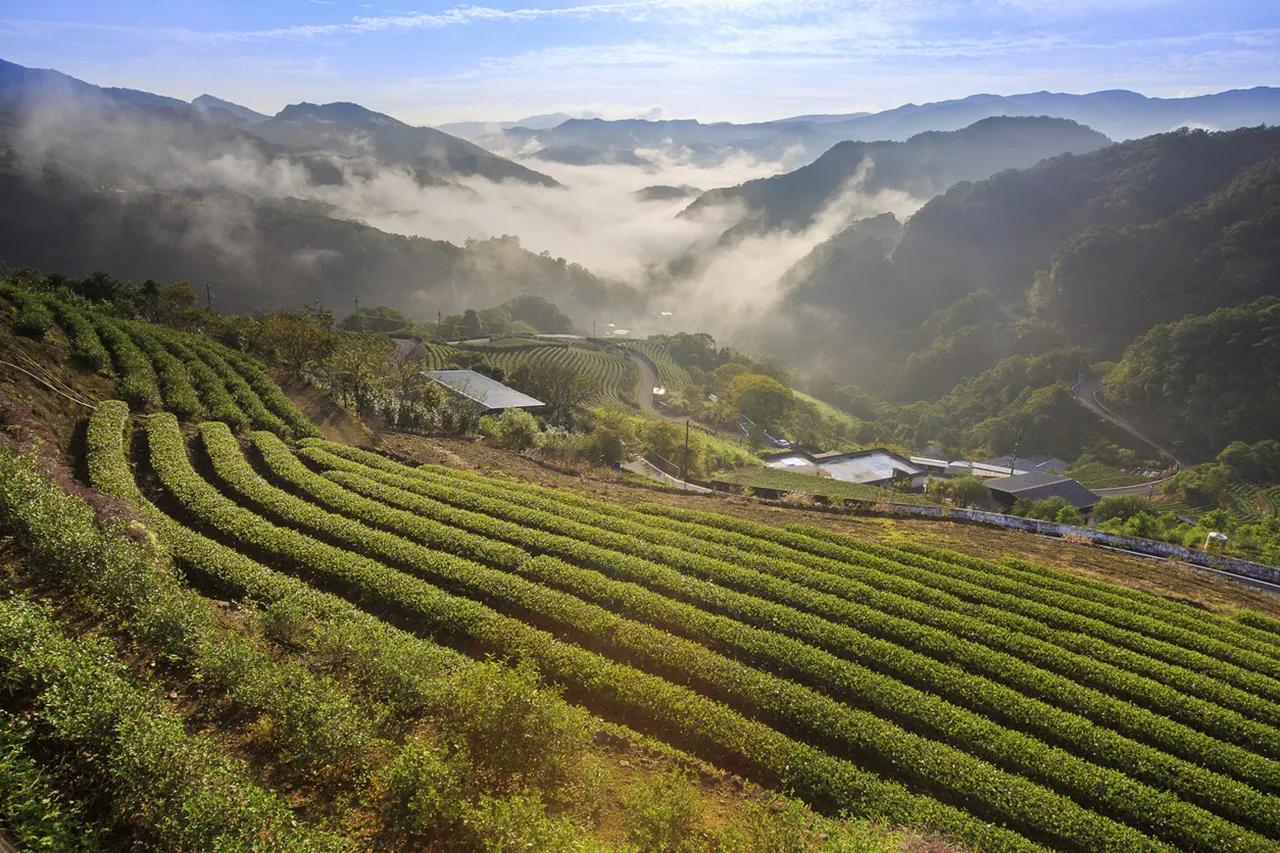
Walk emerald hillsides where oolong leaves unfurl, lake mist rising through the rows
Hand-picked by our editors — only the best 4 experiences from 11 reviewed
Verified partners for Pinglin Tea tours, free cancellation where available, and instant confirmation on every booking.
5 hr
Escape Taipei for a 5-hour journey to scenic Thousand Island Lake and the historic tea plantations of Pinglin.
Reserve
9 hr
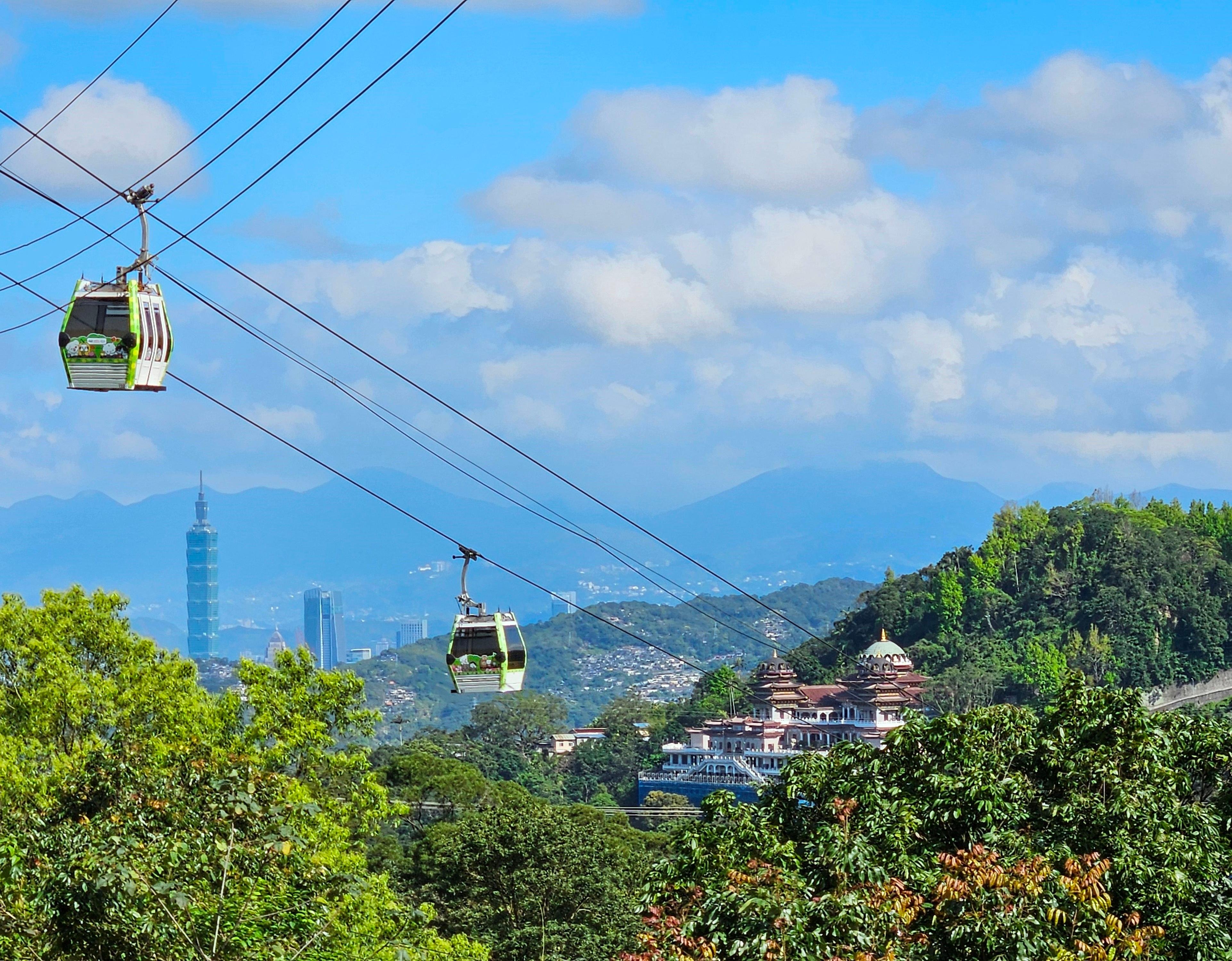
Discover Taipei's lush tea regions on a scenic tour featuring Gondola rides, tastings, and lake views.
ReservePrices from verified partners. Availability updates in real time at checkout. Free cancellation policies apply where shown.
The landmarks, rooms, and views travelers on Pinglin Tea tours remember — all visible on a single visit.
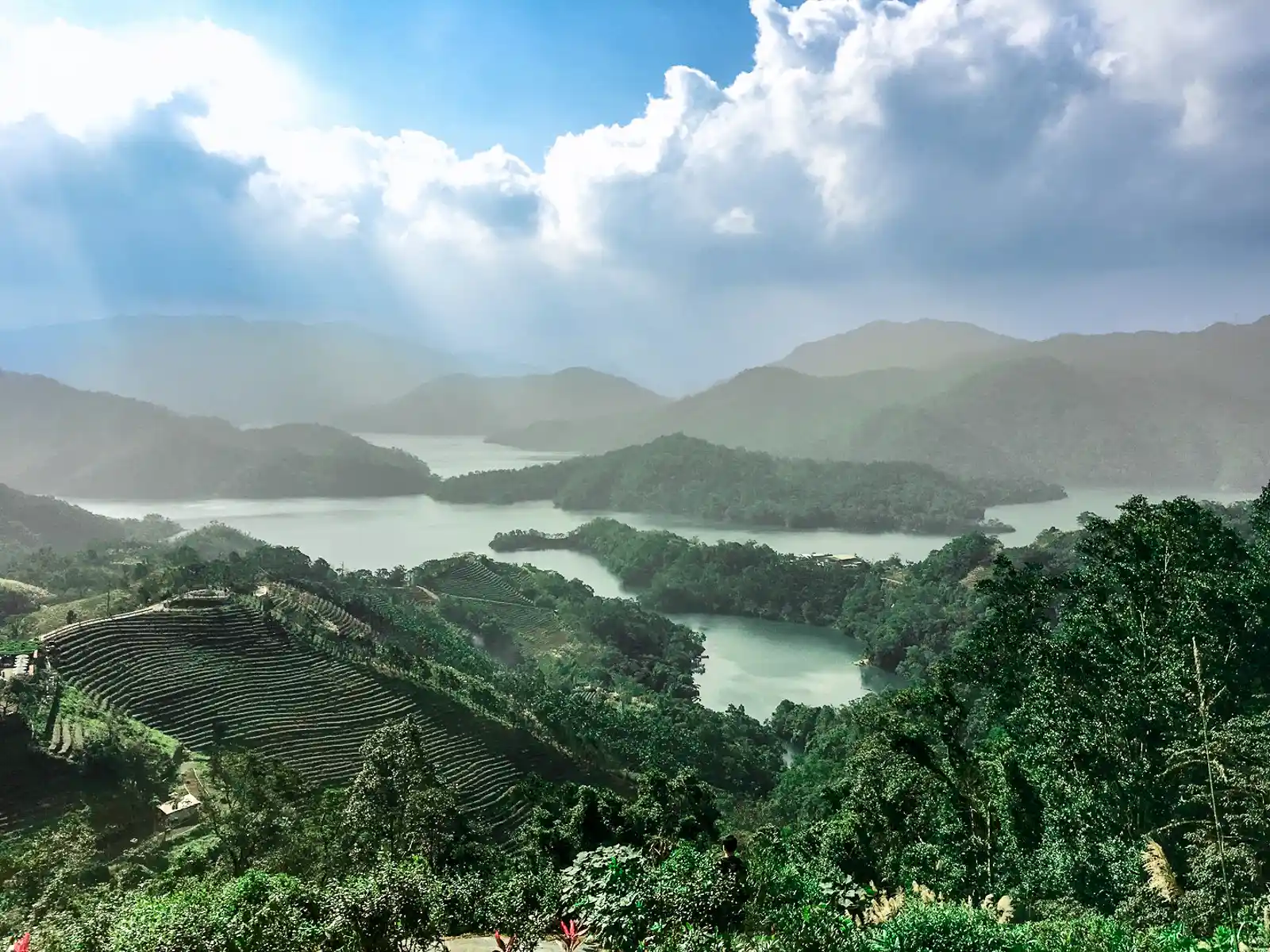
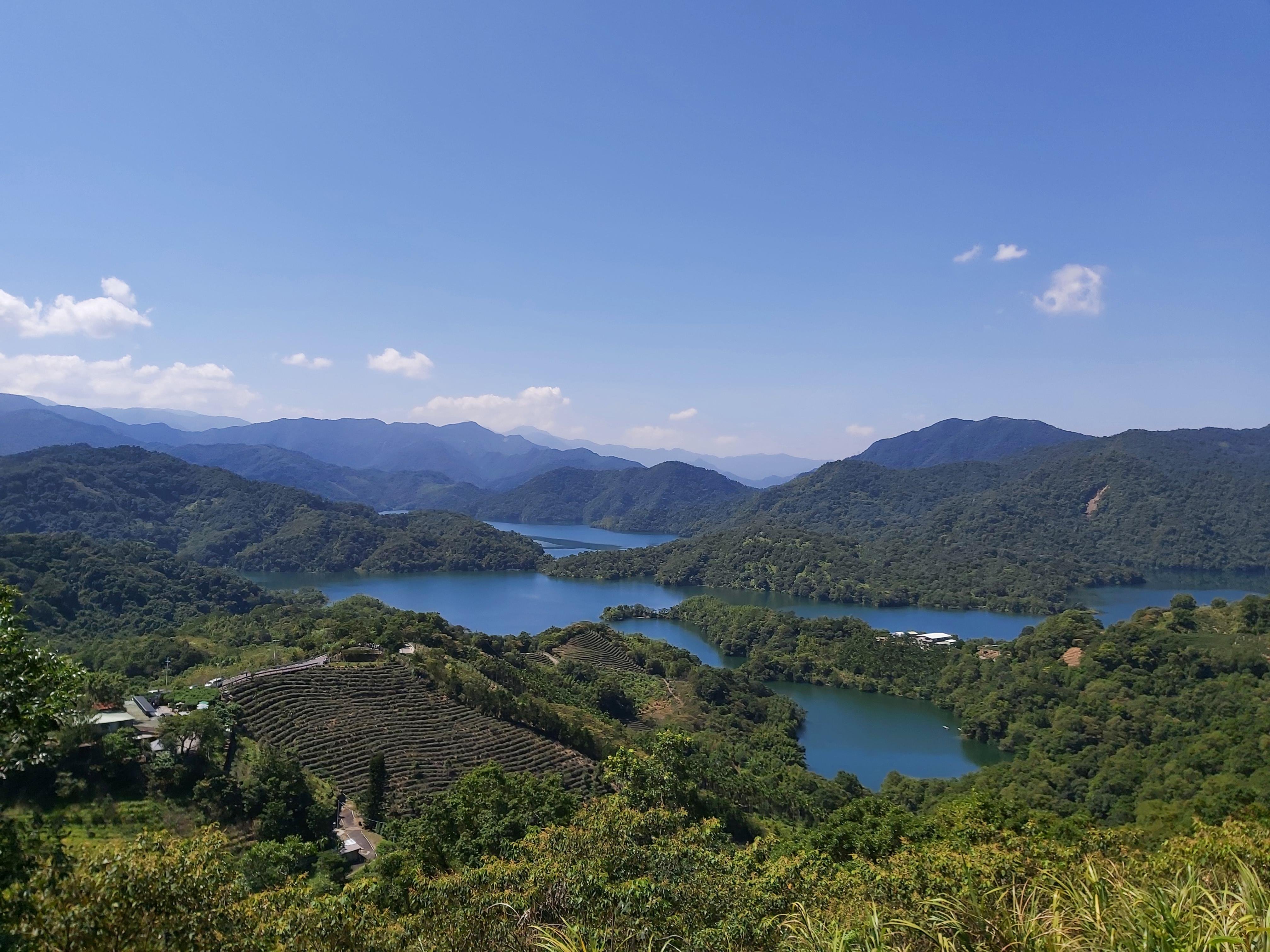
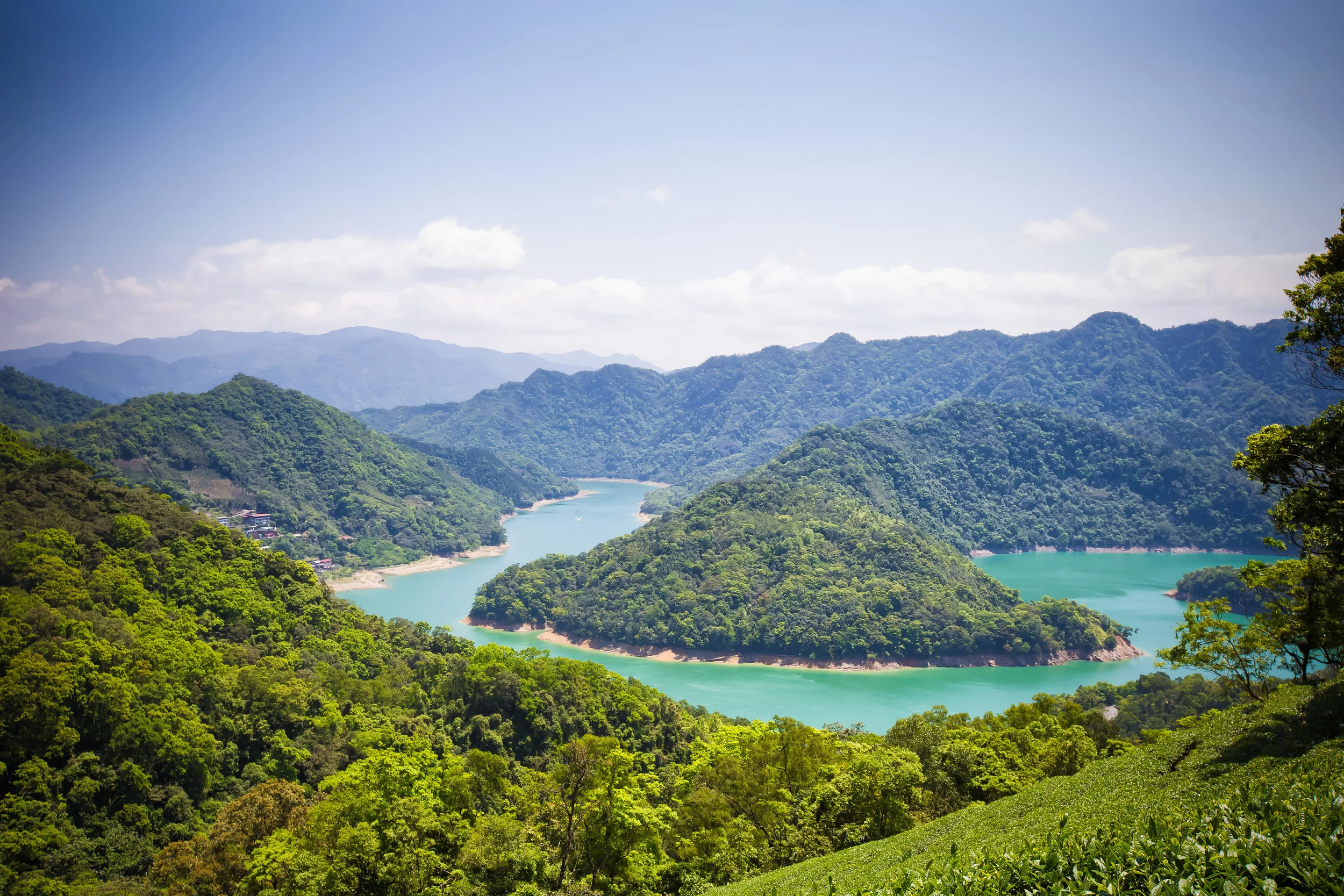
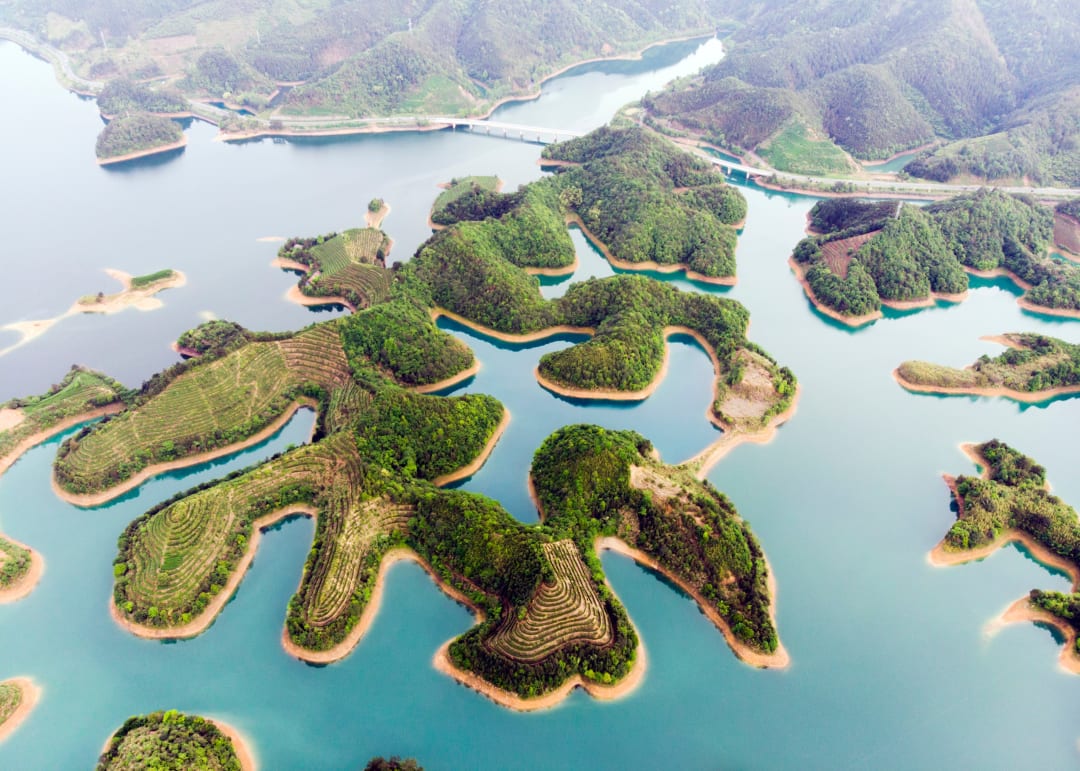
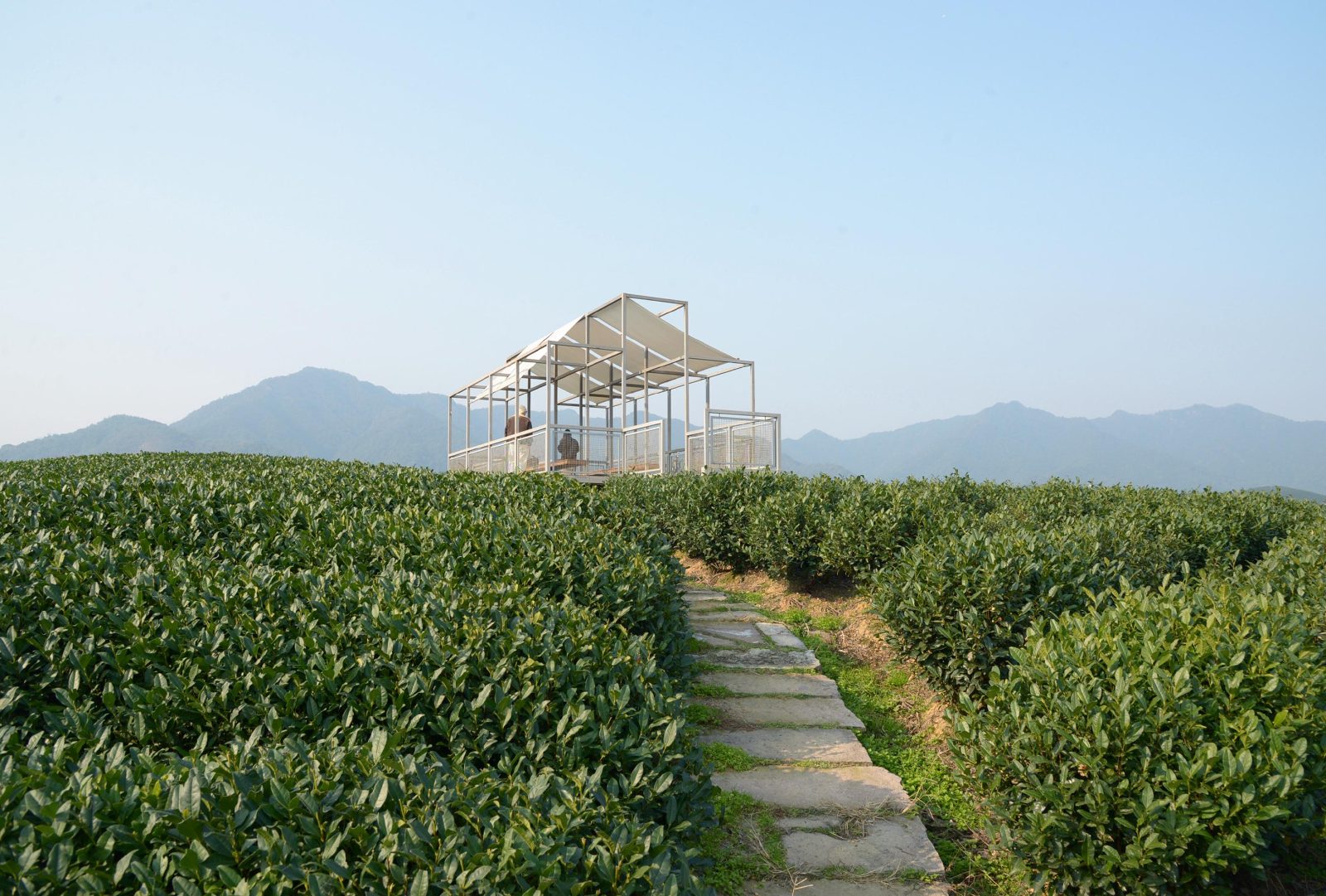
The primary viewpoint offering panoramic vistas of the Feitsui Reservoir catchment area with its distinctive island-like hills.
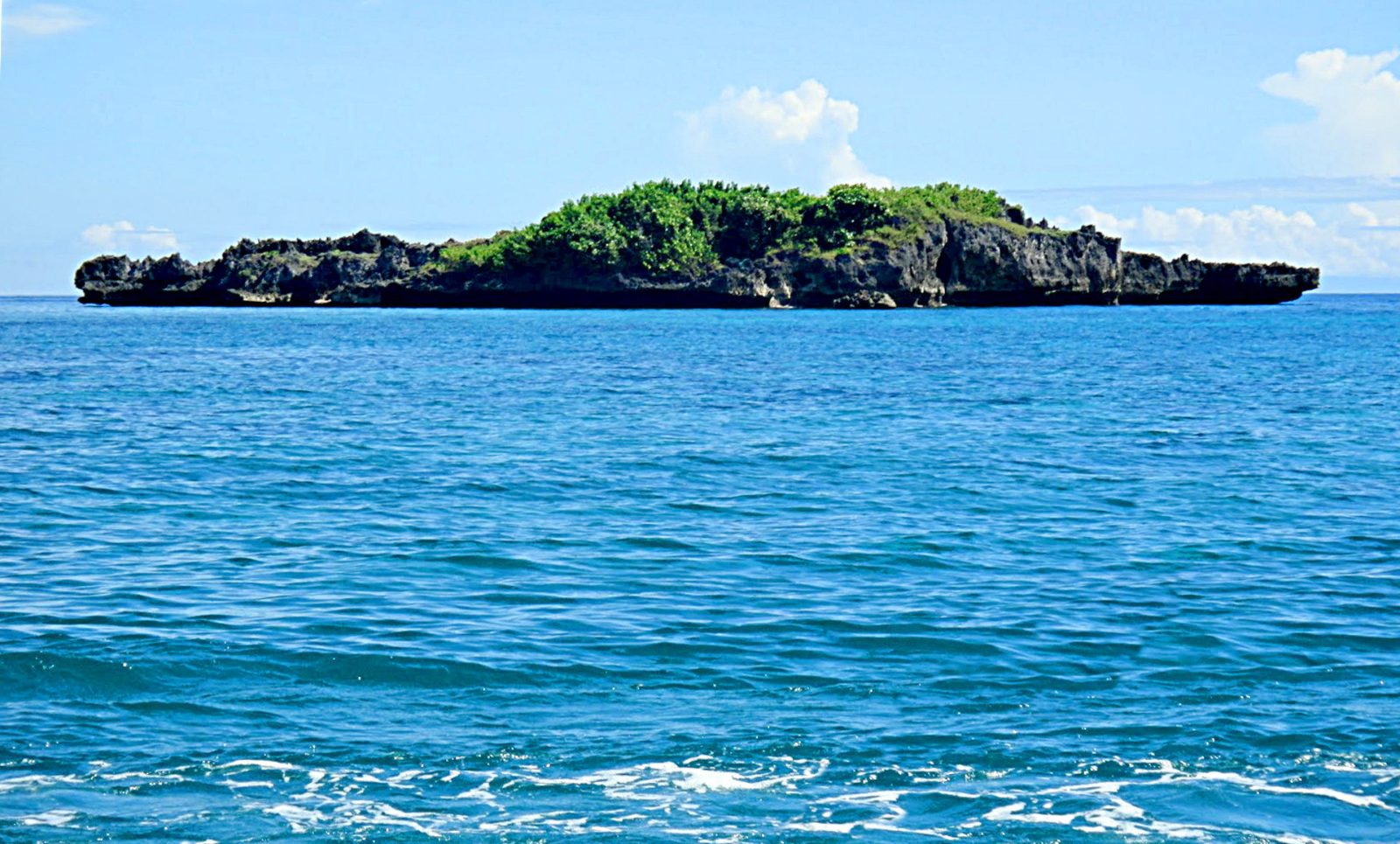
A unique geographical formation visible from specific observation decks, resembling a crocodile swimming in the emerald waters.
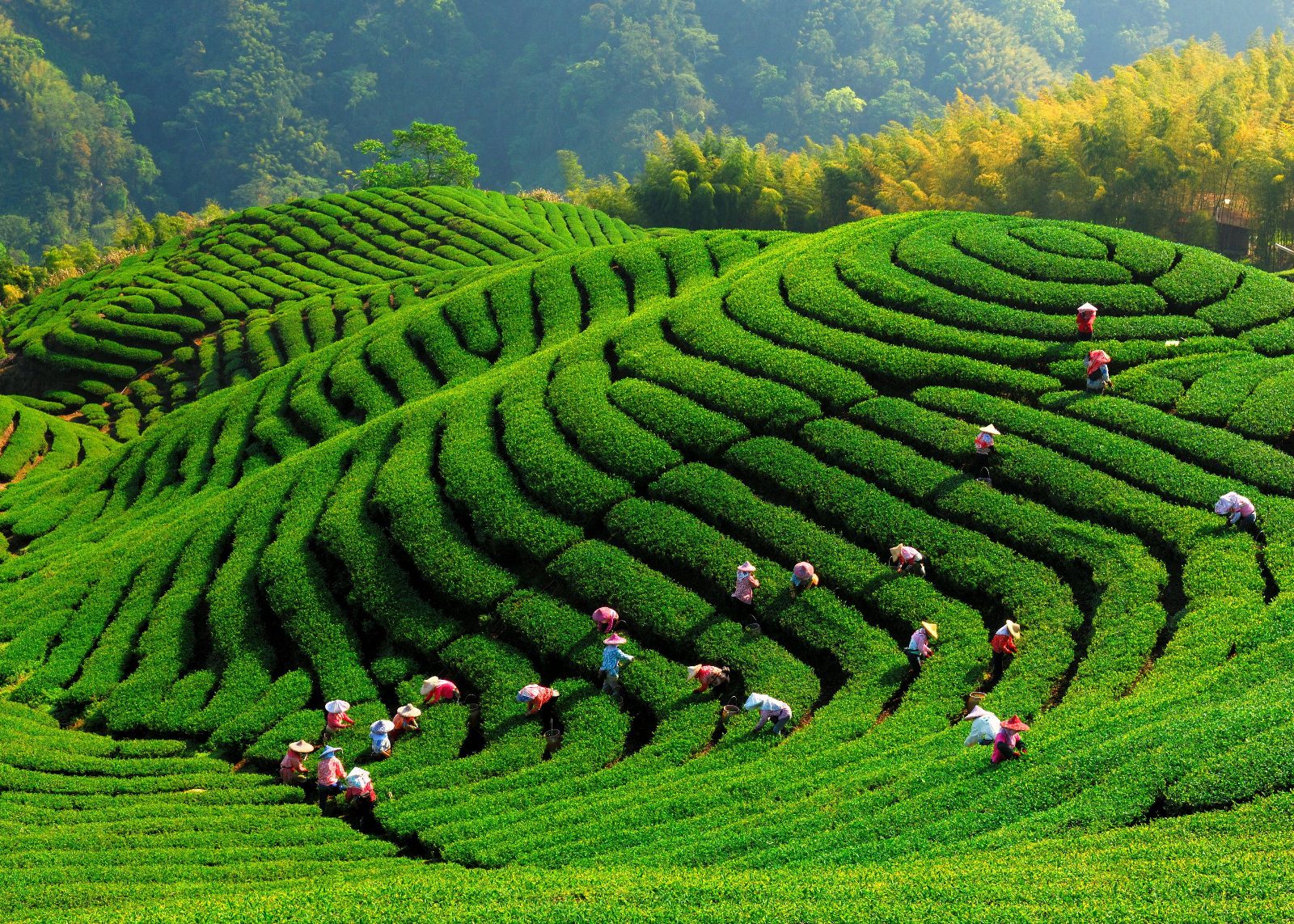
A stunning terraced plantation where the tea rows are arranged in an concentric pattern resembling the Bagua symbol.
A peaceful walking path that offers a closer connection to the forest and water surroundings away from the main road.
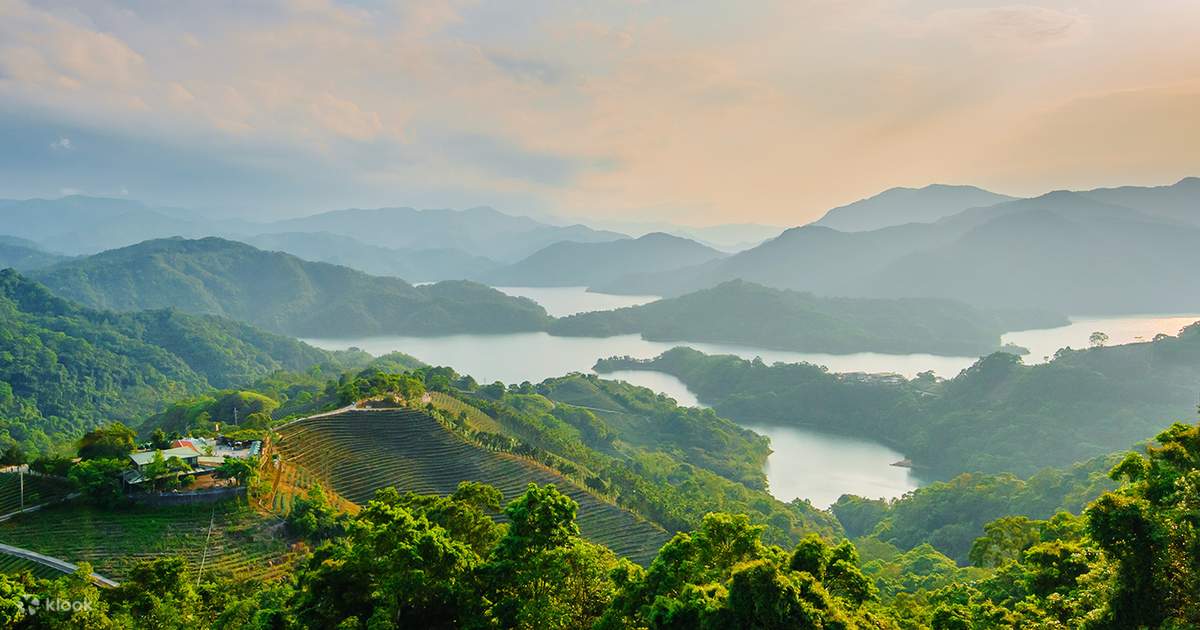
A secondary observation point providing a different perspective of the reservoir's winding valley landscape.
Every Pinglin Tea tour side-by-side — duration, what's included, how you redeem.
| Experience | Duration | Rating | Transfers | Pickup | Skip-the-line | Guide | Price | |
|---|---|---|---|---|---|---|---|---|
|
Guided Experience Most popular
Taipei Tea Culture & Thousand Island Lake Half-Day Tour
|
5 hr | ★ 4.7 | ✓ | ✓ | ✓ | ✓ | €43 | Book → |
|
Guided Experience
Taipei Tea Culture Day Tour: Maokong Gondola & Pinglin
|
9 hr | ★ 4.8 | ✓ | ✓ | ✓ | ✓ | €70 | Book → |
All prices from verified partners. Availability and exact terms confirmed at checkout.
They complement each other; most visitors who do both call the Thousand Island Lake experience the more tranquil option for mountain vistas while the Maokong area provides a more integrated cultural journey.
| Feature | Top pick Thousand Island Lake | Maokong Gondola |
|---|---|---|
Primary draw |
Reservoir panoramic views | Aerial transportation and tea houses |
Accessibility from Taipei |
Requires private car or taxi | Direct MRT and gondola access |
Tea tasting focus |
Limited options on-site | Extensive variety of tea houses |
Hiking intensity |
Low walking on paved lanes | Moderate to high mountain trails |
Photography opportunities |
Emerald water and plantation terraces | City skylines and mountain peaks |
Pinglin tea tour tickets |
Not applicable as site is public | Varies by gondola ride segments |
| See tickets → |
Verdict: Choose Thousand Island Lake for scenic nature photography, or select the Maokong Gondola tour if you prioritize convenient transit and a diverse selection of tea-focused culinary experiences.
Choose your ticket, select your date, and reserve in under two minutes. Secure checkout handled by our verified partner.
Instant confirmation by email, with a mobile voucher you can save offline. No printing, no queuing at a collection desk.
Arrive at the entrance, show your voucher on your phone, and walk in. Most tickets include priority or skip-the-line access.
Practical details for Pinglin Tea tickets straight from our verified partners — hours, access, rules, and how to get there.
Casual and comfortable clothing is recommended for navigating the winding paths. Wear sturdy walking shoes as the terrain involves slopes and potentially uneven surfaces.
There are no security checkpoints or bag storage areas at this public site. Carry only essential items in a lightweight daypack for easier movement between viewpoints.
Photography is highly encouraged, especially at the main Thousand Island Lake lookout. Be respectful of private tea plantation property boundaries and keep noise levels low to maintain a tranquil atmosphere.
While the area features some paved roads, many viewpoints are accessed via sloped paths that may be challenging for those with limited mobility. Visitors should be prepared for gentle to moderate inclines during a pinglin tea tour.
Mobile reception is generally available in the Shiding District area. Ensure your device is fully charged for navigation and capturing photos of the Feitsui Reservoir.
The scenic vistas are suitable for all ages, though parents with small children should exercise caution on narrow, winding roads. Bringing a portable child carrier is recommended over a stroller due to the hilly terrain.
Local tea shops may offer cold-infused tea and snacks, but supplies are limited. It is best to bring your own water and refreshments when planning a long outing.
Pets are allowed in this outdoor public scenic area, provided they are kept on a leash and waste is cleaned up promptly. Ensure your pet is comfortable with narrow, high-traffic mountain roads.
The area is an active catchment region, so please protect the environment by following Leave No Trace principles. Parking is very limited; arriving by organized transport is often preferred.
Best time to go, insider tips, nearby landmarks, and the cancellation fine print — flip through to skim what matters to you.
Flexible, no hidden fees.
As this is a public scenic viewing area, no tickets or formal reservations are required for entry. If booking a third-party pinglin tea tour, please check their specific terms, as many offer free cancellation up to 9 days before the experience.
Shiding District's tea terraces have supplied Taiwan's premium oolong for more than two centuries, their roots tracing to Fujian settlers who recognized the altitude, humidity, and mineral-rich soil as ideal for slow-oxidized leaves.
By the 1980s, Pinglin's growers had refined Wenshan Baozhong and Tieguanyin cultivars into competition-grade harvests, winning national awards and export contracts that placed the district alongside Alishan and Lishan in Taiwan's tea pantheon. The construction of Feitsui Reservoir in 1987 submerged valleys and reshaped the landscape into what locals now call Thousand Island Lake—an emerald basin dotted with forested peaks—while strict watershed protections banned pesticides and industrial farming, inadvertently elevating Pinglin's organic credibility. Today the region produces roughly eight hundred metric tons of tea annually, most of it hand-rolled and oxidized in small family operations that welcome visitors into fermentation rooms and drying sheds.
The Pinglin Tea Museum, opened in 1997 on a hillside above Provincial Highway 9, anchors the district's cultural infrastructure with galleries tracing tea's ceremonial history, agronomic science, and global trade routes. Exhibits include Ming dynasty teapots, Japanese colonial-era processing equipment, and live demonstrations of withering, rolling, and roasting techniques that define oolong's flavor profile. The museum's observation deck frames Thousand Island Lake's signature view—terraced rows descending into mist, the reservoir's islands rising like brush strokes on scroll paper. Most pinglin tea museum tours pair the museum visit with a working plantation stop, where growers explain seasonal pruning cycles, the four-harvest calendar, and how elevation and shade netting influence chlorophyll retention and amino acid concentration in the leaf.
Several pinglin tea plantation tour operators offer half-day and full-day itineraries that layer tasting sessions, farm walks, and lakeside photography stops into a single route. Spring and winter harvests yield the highest-grade leaves, prized for floral aroma and low astringency, while summer and autumn pickings produce more robust, affordable everyday teas. The terraces themselves are geometric marvels—contour-planted bands that prevent erosion and maximize sunlight exposure, maintained by families who live in tile-roofed farmhouses tucked between rows. Visitors on a pinglin tea culture & maokong day tour from taipei often combine Pinglin with Maokong's gondola and teahouse district, creating a full-circle narrative of leaf to cup. The route from Taipei via Highway 9 takes roughly fifty minutes, threading through the Xindian River valley before climbing into the mist-draped hills where tea defines both economy and identity.

"The terraces themselves are geometric marvels—contour-planted bands that prevent erosion and maximize sunlight exposure, maintained by families who live in tile-roofed farmhouses tucked between rows."
A step-by-step walkthrough of Pinglin Tea tickets — what you'll see, how long each stage takes, and the details that matter.
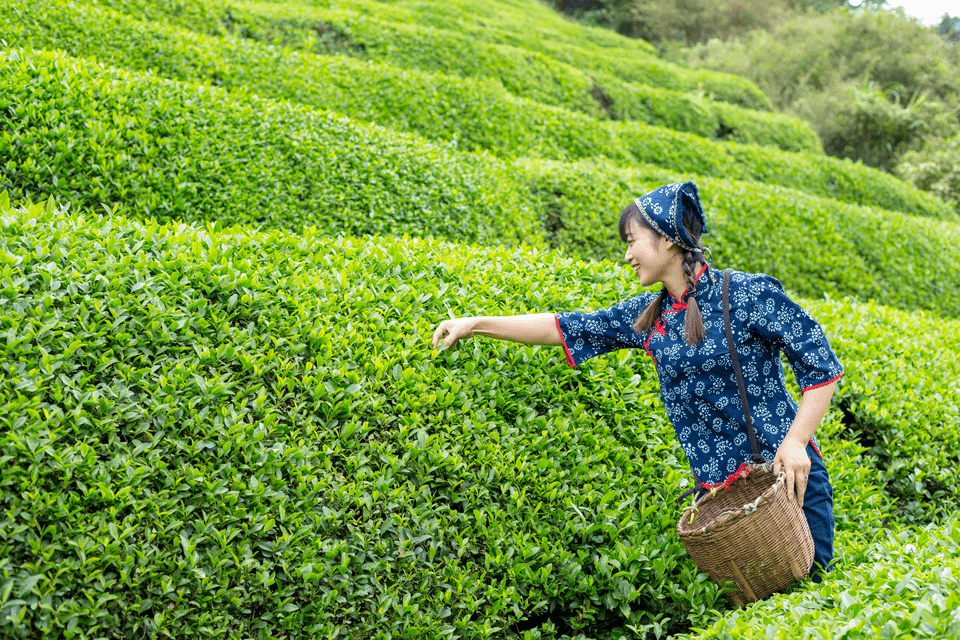
You arrive mid-morning as mist still clings to the lower terraces, the air cool and faintly vegetal. A grower in rubber boots meets you at the plantation gate and leads you up a narrow path between chest-high tea bushes, their leaves glossy and dark green.
She plucks a young shoot—two leaves and a bud—and rolls it between her palms, releasing a grassy, almost floral scent. You learn that this block was pruned six weeks ago, and the new growth will be hand-harvested in another ten days if the weather holds.
Inside the processing shed, bamboo trays hold wilting leaves spread in thin layers, their edges beginning to curl. The grower explains the oxidation clock: leaves are shaken, rested, shaken again over twelve hours, then fired in a gas-heated drum to halt enzymatic change. You taste three grades—a competition-level Baozhong with orchid notes, a roasted Tieguanyin with caramel depth, and a summer harvest sold loose by the kilogram. Each steeping reveals a different balance of sweetness, astringency, and body.
You climb back to the road and drive five minutes to the Thousand Island Lake overlook. The reservoir spreads below, its islands crowned with broadleaf forest, the far shore stitched with more tea terraces. Afternoon light slants across the water, turning the surface silver-green. You pause at the museum on the way down, walking through galleries that trace tea's journey from ritual to commodity, then step onto the observation deck for a final view of the terraced amphitheater where pinglin tea tour experiences begin and end.
The viewing area at Thousand Island Lake is open 00:00–23:59 daily, allowing flexibility for any self-guided pinglin tea tour visit.
Entry to the public scenic viewing area is 0 TWD.
The best arrival window is 09:00–17:00, when afternoon light enhances the vibrant green tea plantations and emerald lake views.
Most paths are paved but feature gentle to moderate slopes; visitors should be prepared for some walking on hilly terrain during a pinglin tea tour.
No, please remain on public pathways as many tea gardens are private property. You can still enjoy excellent views of the plantations during your pinglin tea tour.
The site is located at Shizaitoukeng Lane, Shiding District, accessible by car or via public transit combined with a walk.
Yes, it is family-friendly, though the hilly landscape means strollers are not ideal for a pinglin tea tour.
Bring essentials like water, sunscreen, and an EasyCard to ensure a comfortable pinglin tea tour experience.
You can easily combine your pinglin tea tour with a visit to the nearby Pinglin Tea Museum or the historic Shiding Old Street.