
5 hr
Thousand Island Lake & Pinglin Tea Plantation Half-Day Tour
Discover serene mountain landscapes and Taiwan's tea heritage on this scenic escape from Taipei
Reserve
Hand-picked by our editors — only the best 5 tours from 12 reviewed.
Verified partners for every tour, free cancellation where available, and instant confirmation on every booking.
5 hr
Discover serene mountain landscapes and Taiwan's tea heritage on this scenic escape from Taipei
Reserve
9 hr
Discover Taiwan's northeast coast with sky lanterns, historic streets, and dramatic coastal rock formations
Reserve
9 hr
Discover coastal rock wonders, a historic mountain village, cascading waterfalls, and launch your own sky lantern
ReservePrices from verified partners. Availability updates in real time at checkout. Free cancellation policies apply where shown.
The landmarks, rooms, and views travelers on this tour remember — all visible on a single visit.
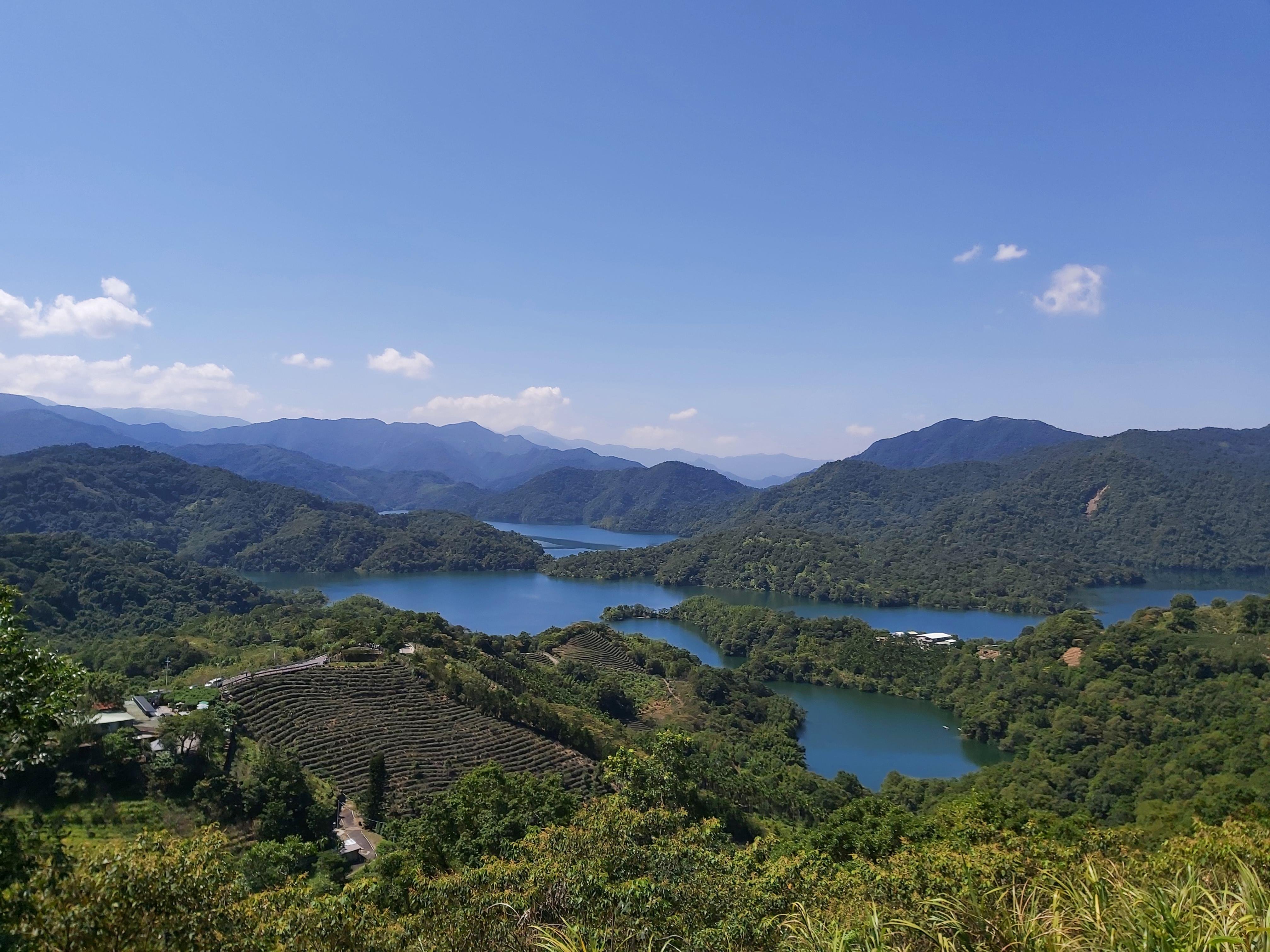
This panoramic lookout offers a view of the reservoir surrounded by tea-covered hillsides. It features the signature layered aesthetic of the region
The terraces demonstrate advanced hillside farming techniques used for generations. Visitors can observe the geometric patterns of the crop during a pinglin tea plantation tour
This path provides direct access to the rolling green scenery. It is a vital route for hikers and photographers visiting the area
Located nearby, this facility preserves the historical significance of regional tea. It complements any pinglin tea plantation tour by explaining the processing cycle
These walking tracks weave through the active cultivation zones. They offer intimate views of the plants harvested for famous Pouchong tea.
They complement each other; most visitors who do both call the Thousand Island Lake landscape the more thrilling, while Maokong provides easier access to traditional tea culture. Securing a pinglin tea plantation tour is ideal for those seeking remote valley scenery, whereas the rival experience offers convenient hilltop relaxation.
| Feature | Top pick Thousand Island Lake | Maokong Tea Houses |
|---|---|---|
Setting |
Remote mountain slopes | Accessible hilltop village |
Access Difficulty |
High (private vehicle/tour) | Low (gondola/bus) |
Primary Tea Type |
Baozhong tea | Tieguanyin oolong |
View Characteristics |
Panoramic reservoir vistas | Urban Taipei skyline |
Average Travel Time from Taipei |
60–90 minutes | 30–45 minutes |
Crowd Density |
Low to moderate | High |
| See tickets → |
Verdict: Choose Thousand Island Lake for expansive natural views on your pinglin tea plantation tour tour, or select Maokong for an urban escape where pinglin tea plantation tour tours are less central than the teahouse culture, keeping in mind that neither requires complex pinglin tea plantation tour tickets to enjoy the scenery.
Choose your ticket, select your date, and reserve in under two minutes. Secure checkout handled by our verified partner.
Instant confirmation by email, with a mobile voucher you can save offline. No printing, no queuing at a collection desk.
Arrive at the entrance, show your voucher on your phone, and walk in. Most tickets include priority or skip-the-line access.
Practical details for your visit straight from our verified partners — hours, access, rules, and how to get there.
Shizaitoukeng Ln., Shiding Dist.
Primary access point for hiking routes
Take the MRT to Xindian Station then transfer to bus 839. This route requires a transfer to a local taxi for the final leg to the tea area.
Wear comfortable walking shoes suitable for uneven earthen paths found within the pinglin tea plantation tour area. Light, breathable clothing is recommended for the humid summer climate.
Small daypacks are permitted and recommended for carrying water and gear during your pinglin tea plantation tour experience. There are no secure locker facilities available on-site.
Photography is encouraged throughout the Thousand Island Lake landscape. Please respect private property boundaries when capturing images of the rows of tea bushes.
Most viewing platforms are accessible by foot, though terrain can be steep and uneven. A pinglin tea plantation tour involves walking on narrow rural paths that may not be suitable for wheelchairs.
Mobile reception is generally reliable, though signal may fluctuate in deeper valleys. Ensure your device is fully charged before starting your pinglin tea plantation tour.
The area is family-friendly, but young children should be supervised closely near terraced edges. Educational elements of a typical pinglin tea plantation tour can be engaging for older children.
There are limited vendors on-site, so carry sufficient water and snacks. Nearby Pinglin District offers local tea-infused cuisine perfect after a pinglin tea plantation tour.
Pets are allowed if kept on a leash at all times. Please ensure waste is removed immediately to keep the tea cultivation areas pristine.
The pinglin tea plantation tour focuses on the scenic Shiding District views. Always stay on marked trails to avoid damaging private crops.
Shizaitoukeng Ln., Shiding Dist.
Primary access point for hiking routes
Get directionsBest time to go, insider tips, nearby landmarks, and the cancellation fine print — flip through to skim what matters to you.
How crowds, weather, and events shift across the year.
March to May features lush green leaves and misty atmosphere, ideal for a pinglin tea plantation tour. Temperatures are mild and pleasant for hiking.
Small details that turn a good visit into a great one.
Arrive during the 07:00–16:00 window to capture the best reflections on the lake. This also helps you bypass midday heat during your pinglin tea plantation tour.
Non-bookable sights within a short walk — free to visit, easy to pair.
Exhibits on tea history and processing techniques.
Flexible, no hidden fees.
As entry to these public scenic areas is 0 TWD, no cancellation fees apply. Private guided excursions typically follow the operator's specific refund terms listed in the booking portal.
Hand-picked options within walking distance — pick a district for vibe, or a specific hotel for convenience.
Traditional local guesthouses offering an immersive experience.
Pinglin produces ninety percent of Taiwan's Wenshan Baozhong oolong, a lightly oxidised leaf prized for its floral clarity and jade-green liquor. The district's elevation — between 400 and 800 metres — delivers the mist and cool night temperatures that slow leaf growth and concentrate aromatic compounds. Farmers here still hand-pluck two leaves and a bud during the spring and winter harvests, maintaining a cultivation method introduced by Fujianese settlers in the 1880s. The Pinglin Tea Museum, opened in 1997, archives regional varietals and withering techniques, but the working plantations along Shizaitoukeng Lane offer direct contact with the terraces themselves. Thousand Island Lake — a reservoir formed by the Feitsui Dam in 1987 — anchors the southern edge of Pinglin's tea belt. Its 26 square kilometres of submerged valleys created the fragmented ridgeline visible from the plantations above. Visitors walking the public viewpoints between rows of Qingxin oolong see the reservoir's teal geometry framed by tea bushes, a scene that has become shorthand for northern Taiwan's agritourism economy. The plantations are privately owned but open to guided groups during daylight hours. Most tours depart Taipei in the early morning to coincide with the first withering cycle, when picked leaves are spread on bamboo mats under partial shade. The tea plantation tour tickets typically bundle transport, a plantation walk, and a tasting session at a family-run tea house. Half-day itineraries focus on Pinglin alone; full-day routes add Jiufen or Shifen as secondary stops. The tasting sessions involve gaiwan brewing — a lidded bowl method that exposes oxidation level and roast profile across three to five infusions. Guides explain the distinction between Baozhong's light twist and Tieguanyin's tight roll, both cultivated in overlapping terraces. Some tours include a brief picking demonstration, though commercial harvests occur only in April, June, September, and November. Outside those windows, visitors handle mature leaves to understand plucking technique without disrupting the growth cycle. Pinglin's tea economy remains small-scale. The district has fewer than 5,000 residents, and most farms span less than two hectares. Mechanisation is limited to withering fans and rolling machines; the steep gradients prevent tractor access. This manual intensity keeps Pinglin's output low relative to Alishan or Lishan, but it also preserves the sensory detail that defines Wenshan oolong — a tea whose value lies in floral persistence rather than volume. The tours compress that agricultural rhythm into a four-hour window, offering urban visitors a legible encounter with a crop whose complexity unfolds over days.
"Pinglin produces ninety percent of Taiwan's Wenshan Baozhong oolong, a lightly oxidised leaf prized for its floral clarity and jade-green liquor."
A step-by-step walkthrough of the visit — what you'll see, how long each stage takes, and the details that matter.
You leave Taipei before eight, riding a minibus east through the Xindian valley as the city's concrete thins into forested ridges. The road narrows past Shiding, and within ninety minutes you're walking a gravel lane between waist-high tea rows, the air cool and slightly vegetal. Your guide stops at a mature bush, pinching two leaves and a bud to show the plucking standard — the apical shoot that concentrates amino acids and fragrance. You try it yourself, feeling the slight resistance before the stem snaps clean. The plantation slopes toward Thousand Island Lake, its fractured blue surface visible through gaps in the canopy. You descend to a public overlook, where the reservoir's geometry — dozens of forested islets arranged like scattered jade — spreads below the tea terraces. Other visitors photograph the convergence of water and agriculture, a composition that collapses scale until the lake feels miniature and the plantations monumental. You return uphill to a tea house built into the plantation's upper edge. The owner sets out a gaiwan, a fairness pitcher, and five small cups. She rinses Baozhong leaves with near-boiling water, then pours the first proper infusion after thirty seconds. The liquor is pale green, almost transparent, with a floral sharpness that fades into a sweet aftertaste. The second infusion is softer, the third rounder. She explains oxidation percentages and roast temperatures, but the lesson is tactile — you taste the difference between spring and winter harvests, between sun-withered and shade-withered leaves. By the fourth cup, you've learned to distinguish the Qingxin cultivar's orchid note from the Cuiyu's lighter, grassy profile. The tasting lasts forty minutes, and you leave with a vacuum-sealed bag of Baozhong, the same lot you've just brewed.
The scenic area is accessible 24 hours, with the ideal arrival window being 07:00–16:00. Daily access is open to visitors.
There is a 0 TWD entrance fee as these are public viewpoints and private tea plantations. Always check for specific private tour pricing via booking portals.
The best time is 07:00–16:00 for clearer light and to avoid mountain traffic. This timeframe maximizes the quality of your pinglin tea plantation tour experience.
Public transport is available via Xindian Station followed by local bus routes. Most visitors combine transit with a short taxi ride for convenience.
There are very few food vendors on-site, so carry snacks and water. Local tea-infused meals are best enjoyed in Pinglin village after your pinglin tea plantation tour.
The area is family-friendly but requires walking on uneven terrain. A pinglin tea plantation tour is best suited for children who can navigate rural footpaths safely.
Bring sunscreen, water, and comfortable walking shoes. These items will ensure comfort during a long pinglin tea plantation tour in the Shiding District hills.
Booking specific pinglin tea plantation tour tickets through local operators ensures guided access to private areas. Rely on the attached product list for official pricing.
Photography is permitted in public areas, but respect private tea crops. Avoid using drones, which are restricted on the pinglin tea plantation tour paths.
Because entry to the viewpoints is 0 TWD, there are no cancellation fees. Tour operators have independent refund policies for their guided services.