
5 hr
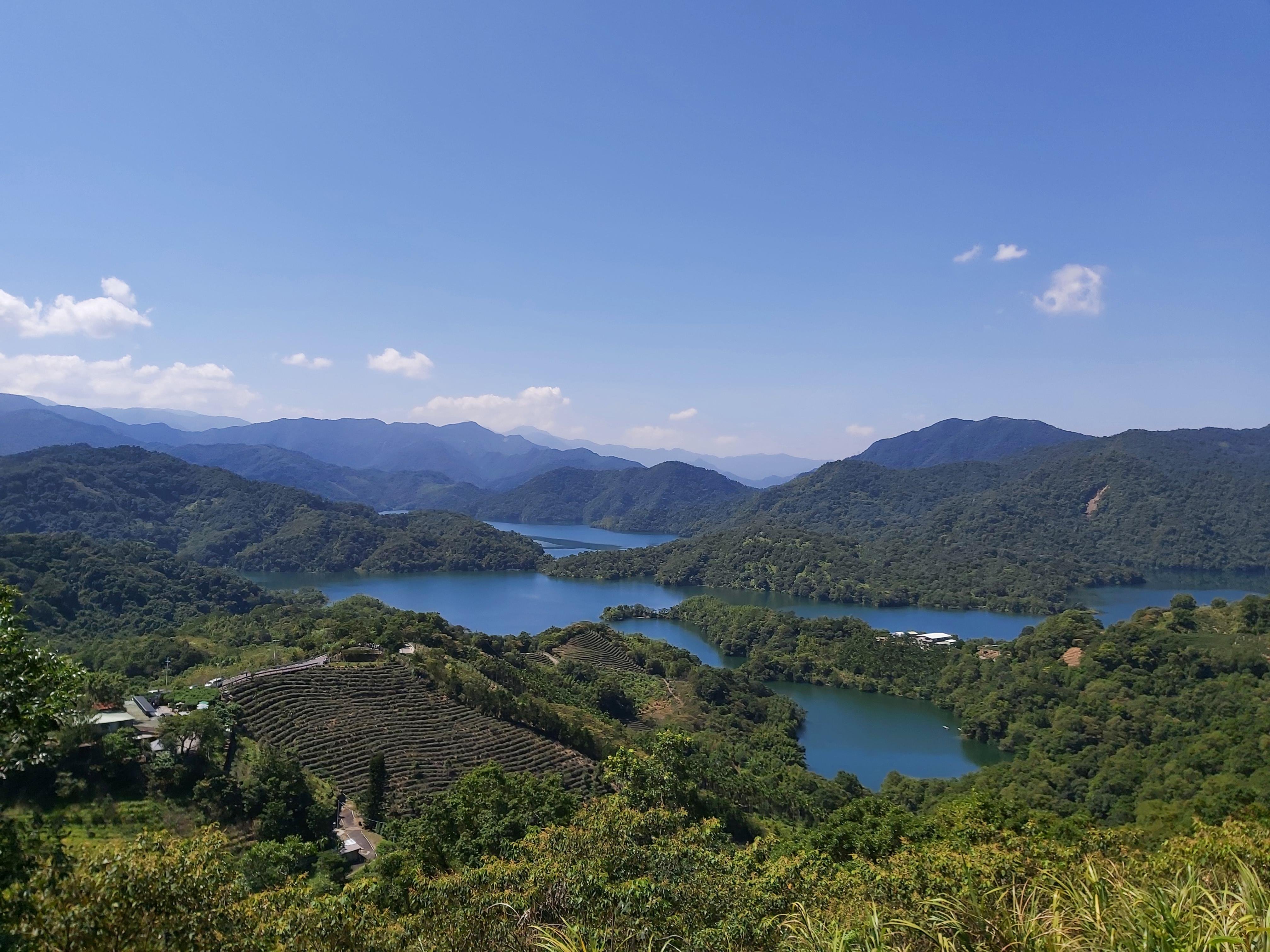
Thousand Island Lake & Pinglin Tea Plantation Day Trip from Taipei
Escape Taipei to explore the stunning Thousand Island Lake and immerse yourself in Taiwan's rich tea heritage.
Reserve
Hand-picked by our editors — only the best 5 experiences from 47 reviewed.
Verified partners for every tour, free cancellation where available, and instant confirmation on every booking.
5 hr
Escape Taipei to explore the stunning Thousand Island Lake and immerse yourself in Taiwan's rich tea heritage.
Reserve
9 hr
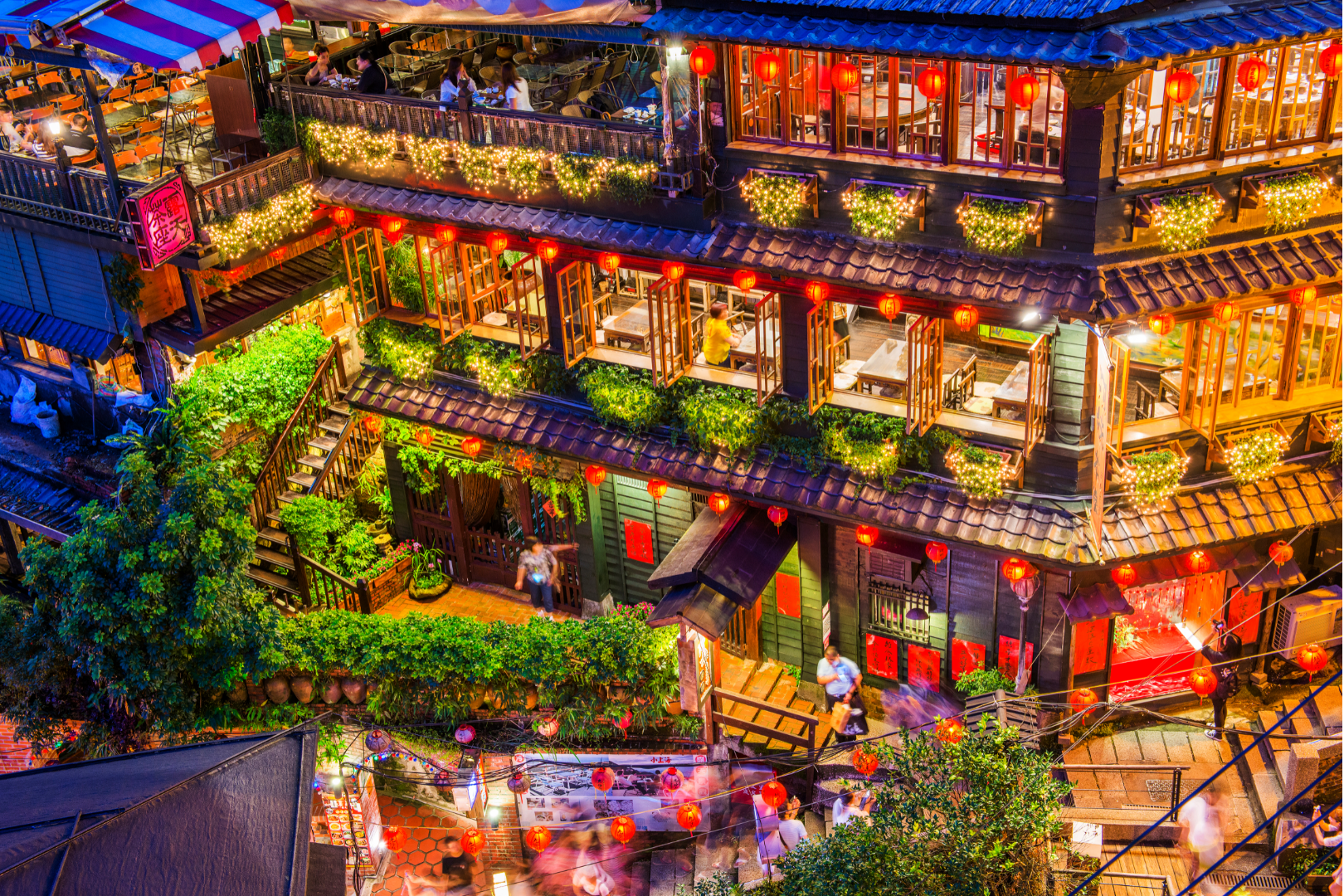
Discover northern Taiwan's highlights, from Yehliu's coastal rock formations to Jiufen's historic lanes and Shifen's lanterns.
Reserve
7 hr
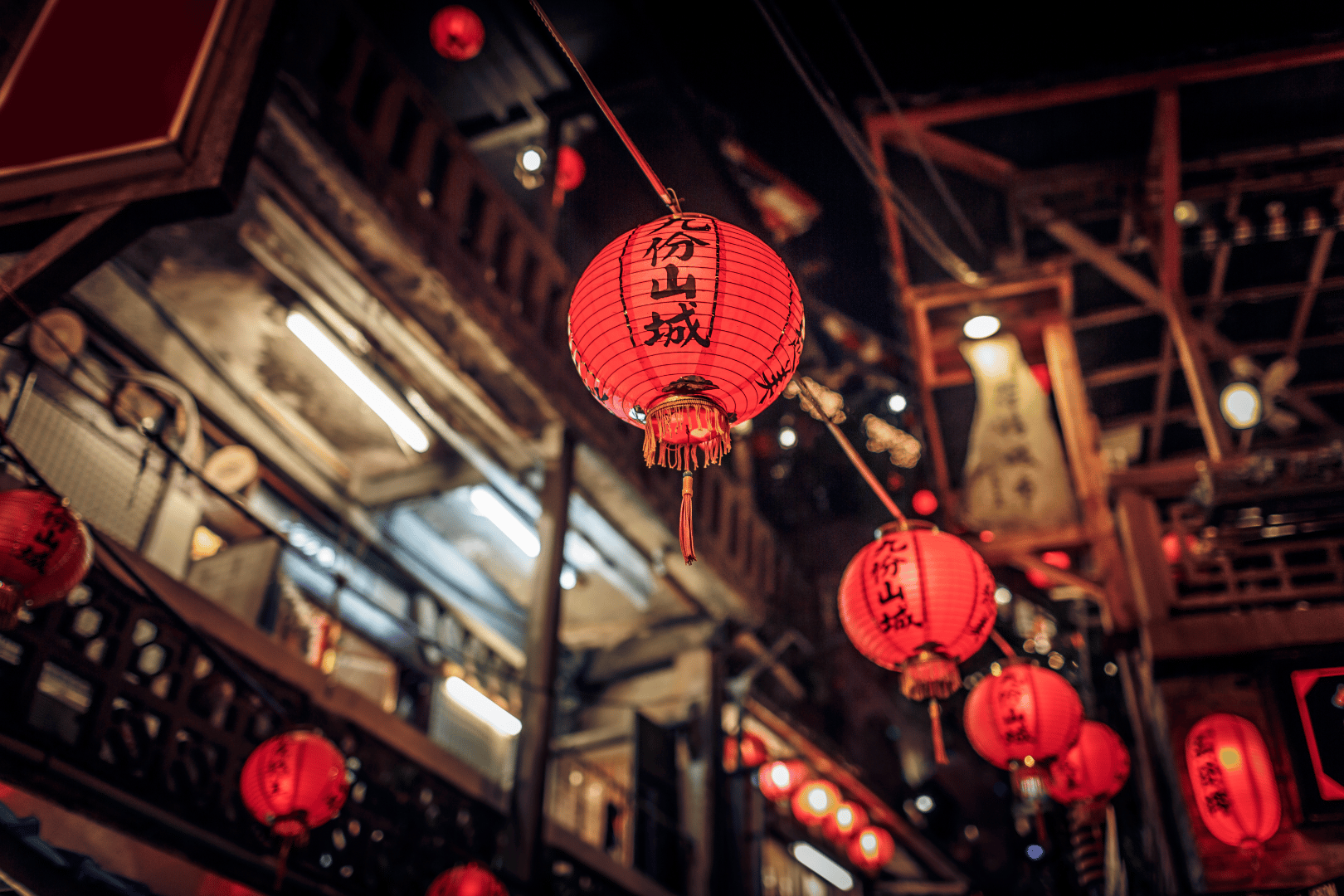
Explore Taiwan's scenic northeast coast, write wishes on a Shifen sky lantern, and wander through historic Jiufen.
ReservePrices from verified partners. Availability updates in real time at checkout. Free cancellation policies apply where shown.
The landmarks, rooms, and views travelers on this tour remember — all visible on a single visit.
Detailed displays show the cultural history of tea making and the evolution of tea tools.
An interactive zone where you can smell and touch different types of tea leaves.
Learn the professional techniques for brewing the perfect cup of Taiwanese tea.
A tranquil outdoor space designed with traditional architecture and local foliage.
A relaxing space to savor local tea and purchase premium souvenirs.
They complement each other; most visitors who do both find the pinglin tea museum tour the more insightful choice for culture, while Thousand Island Lake excels for scenery.
| Feature | Top pick Tea Museum | Lake Viewpoints |
|---|---|---|
Primary Focus |
Tea culture and production history | |
Indoor vs Outdoor |
Indoor museum exhibits | |
Physical Exertion |
Minimal walking indoors | |
Best For Learning |
In-depth cultivation history | |
Best For Photography |
Architecture and tea artifacts | |
Core Requirement |
Entrance fee 80 TWD | |
| See tickets → |
Verdict: Select the pinglin tea museum tour tours if you prioritize understanding traditional oolong craftsmanship, or opt for the Thousand Island Lake viewpoint tour if you prefer expansive panoramic vistas.
Choose your ticket, select your date, and reserve in under two minutes. Secure checkout handled by our verified partner.
Instant confirmation by email, with a mobile voucher you can save offline. No printing, no queuing at a collection desk.
Arrive at the entrance, show your voucher on your phone, and walk in. Most tickets include priority or skip-the-line access.
Practical details for your visit straight from our verified partners — hours, access, rules, and how to get there.
Exit 2, Taipei
Look for the tour operator flag
Take bus Green 12 or 923 from Xindian MRT station.
Follow National Highway 5 towards Pinglin.
Casual and comfortable clothing is recommended. Wear sturdy, comfortable shoes for walking around the Pinglin tea museum tour grounds and the surrounding plantation trails.
Large bags may be restricted; secure lockers are not provided. Keep belongings light to ensure a comfortable pinglin tea museum tour experience.
Photography is generally permitted in public areas of the museum. Please respect signage regarding flash photography, especially near delicate artifacts during your pinglin tea museum tour.
The museum features accessible paths and facilities. Visitors participating in a pinglin tea museum tour will find the exhibition halls easy to navigate.
The museum provides an interactive environment suitable for all ages. Families often enjoy the educational exhibits highlighting the cultural history of tea making during their pinglin tea museum tour.
Tea houses inside the venue allow you to savor local brews. Avoid consuming outside food or drinks within the exhibition halls of your pinglin tea museum tour.
Best time to go, insider tips, nearby landmarks, and the cancellation fine print — flip through to skim what matters to you.
How crowds, weather, and events shift across the year.
March to May brings pleasant weather and the spring tea harvest season.
June to August is vibrant and green but be prepared for afternoon heat.
September to November offers comfortable temperatures for exploring the plantations.
December to February can be cool and misty, perfect for warm tea tasting.
Small details that turn a good visit into a great one.
Visit during the 09:00–16:00 window to enjoy the exhibits before crowds peak.
Check for the free daily Chinese tour at 14:00 if you understand the language.
Group tours of 15+ must call +886-2-2665-6035 one week in advance.
The museum is a great place to start your pinglin tea museum tour knowledge base.
General admission is 80 TWD per person for the museum entry.
Try the local Wenshan Pouchong tea, famous in this region.
The mountain climate can shift, making layers useful for your pinglin tea museum tour day.
Non-bookable sights within a short walk — free to visit, easy to pair.
A quaint street reflecting traditional tea town life.
Flowing scenic riverbank ideal for a peaceful stroll.
Hilltop views of intricate, patterned tea rows.
Flexible, no hidden fees.
Full refunds are typically available for cancellations made at least 24 hours before the scheduled departure time of your tour. Please confirm specific terms with your selected operator.
Hand-picked options within walking distance — pick a district for vibe, or a specific hotel for convenience.
Experience local hospitality in a traditional village setting.
Wide selection of high-end hotels for base stays.
The Pinglin Tea Museum opened in 1997 as Taiwan's first institution dedicated entirely to tea culture, anchoring a district where 80 percent of households have cultivated Wenshan Baozhong and Tieguanyin varietals for over two centuries. Built into a hillside above the Beishi River, the four-story structure houses 3,000 artifacts spanning Song Dynasty ceramics, Qing Dynasty export ledgers, and colonial-era Japanese processing machinery that reshaped the island's oolong trade. The permanent collection traces tea's journey from Tang Dynasty medicinaluse to its role in 19th-century maritime commerce, when Pinglin's high-altitude micro-climate and mineral-rich soil made it the preferred source for Fujianese merchants exporting to Southeast Asia. Pinglin District produces 1,200 metric tons of tea annually, yet mechanized agriculture never took root here. The museum's ethnographic galleries document hand-rolling techniques passed through apprenticeships, the wooden roasting baskets still used in family workshops, and the economic shifts that transformed subsistence farming into boutique production. A dedicated wing examines terroir science — how elevation between 400 and 800 meters, coupled with persistent mountain mist, creates the floral notes distinguishing local Baozhong from lower-altitude competitors. Interactive displays explain oxidation chemistry and the six-stage withering process that defines semi-fermented teas. The museum's northern Taiwan tea heritage interpretation extends beyond static exhibits. Adjacent plantation trails connect visitors to working farms where fifth-generation growers demonstrate plucking standards and seasonal harvest rhythms. A climate-controlled tasting lab offers comparative flights of spring and winter crops, revealing how temperature fluctuations alter amino acid concentrations and astringency profiles. The facility serves as both cultural archive and living research center, partnering with National Taiwan University on cultivar preservation and sustainable land management studies. Recent conservation efforts have restored 18th-century stone terraces and irrigation channels that once supplied Qing Dynasty tribute tea destined for the imperial court in Beijing. The institution's educational mandate reaches 120,000 annual visitors through bilingual docent programs, rotating exhibitions on tea's influence in calligraphy and ceramics, and partnerships with regional artisan cooperatives. Its archive holds the largest collection of Taiwanese tea export contracts outside national repositories, documenting the commodity's role in shaping the island's early industrial economy and its ongoing significance in rural livelihoods across New Taipei's mountain districts.
"Pinglin's high-altitude micro-climate and mineral-rich soil made it the preferred source for Fujianese merchants exporting to Southeast Asia."
A step-by-step walkthrough of the visit — what you'll see, how long each stage takes, and the details that matter.
You arrive at the museum's terraced entrance as morning light filters through surrounding bamboo groves, the scent of oxidizing leaves drifting from nearby drying sheds. The ground floor introduces you to tea's botanical taxonomy through backlit specimens and cross-sections of Camellia sinensis roots adapted to Pinglin's volcanic soil. You climb to the second-floor heritage gallery, where Qing Dynasty trade maps show shipping routes linking these hills to Xiamen's export warehouses, and vintage photographs capture workers hauling wicker baskets up mountain paths before motor roads existed. On the third floor, you pause at the interactive processing station to practice hand-rolling techniques, feeling how friction generates heat that arrests oxidation at precise moments. The roasting demonstration uses century-old charcoal methods, the instructor adjusting basket height above coals to control temperature within two-degree margins. You move to the tasting lab for a guided comparison of spring First Flush and winter crops, noting the lighter body and pronounced jasmine notes in early-harvest leaves. Outside, the plantation trail descends through terraced plots where you observe selective plucking — two leaves and a bud, the standard that maintains plant vigor. A farmer explains how afternoon shade nets prevent scorching during summer peaks, and why post-harvest pruning schedules follow lunar cycles. You return through the museum shop, where vacuum-sealed packets display harvest dates and elevation markers, each package traceable to specific family plots within a five-kilometer radius.
The museum is open Mon–Fri 09:00–17:00 and Sat–Sun 09:00–17:30.
General admission is 80 TWD per person.
The museum is closed on the first Monday of every month.
We recommend arriving between 09:00–16:00 to avoid mid-day crowds and ensure time for exploration.
Yes, the museum offers barrier-free facilities for visitors.
Yes, photography is permitted in public areas, though please check for specific restrictions on flash photography.
Yes, there is a tea house on-site where you can enjoy local teas and light refreshments.
You can take bus Green 12 or 923 from Xindian MRT station or drive via National Highway 5.
Prohibited items include large luggage, drones, weapons, and unsealed food.
Yes, the museum is very family-friendly and hosts educational activities suitable for children.
Most tour operators offer a full refund if you cancel at least 24 hours before your scheduled departure.